Receivables management with e-invoicing: how to use structured data consistently

Reviewed: 2026-07-26. “Receivables management with e-invoicing: how to use structured data consistently” is mainly a matter of data quality, evidence and consistent deadlines. Businesses should separate undisputed payment arrears from genuine clarification cases. Structured invoice data helps only where content, receipt and archiving are also correct. This avoids unnecessary escalation without allowing valid receivables to remain inactive. The contract and German law remain decisive.
What qualifies as an E-Rechnung since 2025
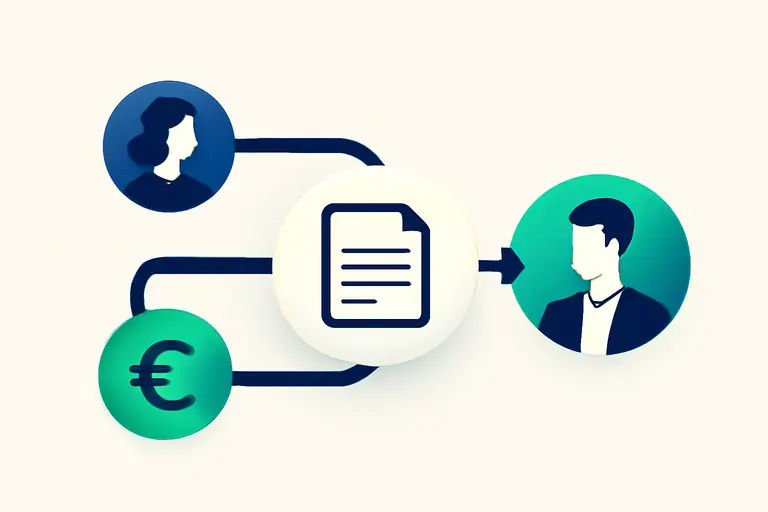
Since 2025, German VAT law treats only an invoice in a structured electronic format that enables electronic processing as an E-Rechnung (German structured electronic invoice). A simple PDF is generally a "sonstige Rechnung", meaning another form of invoice. Common formats include XRechnung and qualifying ZUGFeRD versions. For recovery, format alone is insufficient: mandatory data, performance, parties, invoice number, amount and payment terms must be correct. Technical validation helps but does not replace a contractual review. For the specific issue “how to use structured data consistently”, this requirement should be recorded in the review note with its date and supporting evidence.
For the focus “how to use structured data consistently”, a short review note should record the facts, the rule applied and the legal or data date on which the statement is based. The contract, invoice, evidence of performance and communications should be brought together in one case file. In “how to use structured data consistently”, this control determines whether the standard workflow applies or an individual review is required.
Transitional rules through the end of 2027
Domestic German businesses have had to be capable of receiving an E-Rechnung since 2025. Transitional rules apply to issuance: through 2026, another form of invoice may generally still be used; where the issuer had prior-year turnover of no more than EUR 800,000, the transition extends through the end of 2027. These transitions must not be confused with the receipt obligation. Businesses should define receipt channels, validation, approval, archiving and transfer to accounting and receivables management. For “how to use structured data consistently”, the workflow should continue only after ownership, deadline and the exception route are clearly set in the system.
For recurring cases, use a checklist of mandatory fields and a four-eyes review. A green status should be assigned only when the required evidence is available; otherwise the case should be routed deliberately for clarification. For “how to use structured data consistently”, quality control should reconcile the balance and underlying entries once more against the original evidence.
Use structured invoice data as evidence
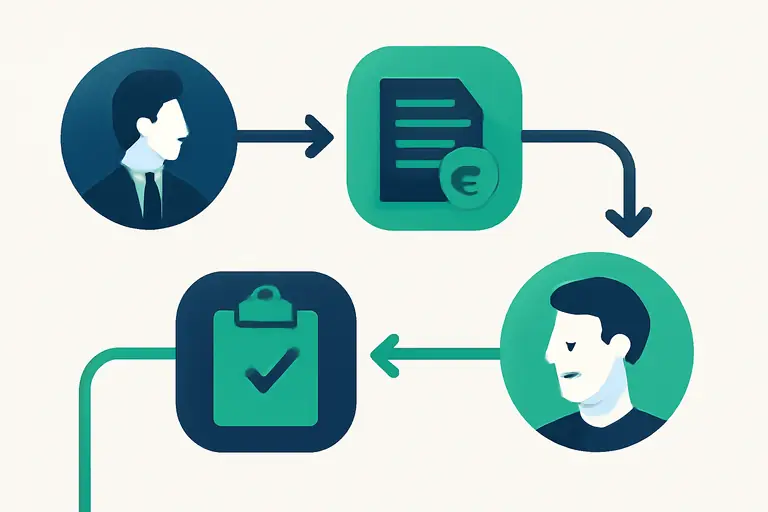
For later recovery, the structured original file, a readable rendering, evidence of transmission or availability, validation record, performance evidence and payment terms should be archived together. For German VAT purposes, at least the structured part of the E-Rechnung must be retained in its original form. A defective invoice should be corrected transparently and resent, with the old and new versions linked by timestamp. This makes it possible to show which claim, version and delivery date are relied upon. In “how to use structured data consistently”, this control determines whether the standard workflow applies or an individual review is required.
The workflow should move standard cases quickly while automatically routing disputes, insolvency, data-protection or limitation risks out of the standard path. Human review remains necessary where the data or legal position is not clear. The outcome for “how to use structured data consistently” should record the current balance, next date, reason for the decision and responsible person. Receivables management should automate standard cases while deliberately routing exceptions for review.
Correct invoice errors and alleged duplicate billing
An incorrect recipient, calculation error, missing mandatory item or duplicate posting should be resolved before further reminders. The correction must identify which invoice it replaces or amends; credits and replacement invoices should be linked clearly. Receipt and any new due date depend on the contract and the type of error and should not be assumed automatically. For alleged duplicate billing, compare service period, order number, invoice items and payments side by side. Only the reconciled balance belongs in collection. For “how to use structured data consistently”, quality control should reconcile the balance and underlying entries once more against the original evidence.
Before escalation, reconcile bank entries, credit notes, returns, partial payments, objections, insolvency signals and limitation dates. An item shown as open in accounting is not automatically due or undisputed; the decision must follow from the complete file. For the specific issue “how to use structured data consistently”, this requirement should be recorded in the review note with its date and supporting evidence.
Digital handover without breaks in the data chain
A digital collection handover should include master data, statement of account, contract, invoice, performance evidence, reminders, objections, payments and current contact details. Every file must be clearly linked to the claim. Interfaces are useful for high volume; for smaller portfolios, a well-defined spreadsheet or portal transfer may be sufficient. Mandatory fields, formats, duplicate checks and status feedback should be agreed in advance. Sensitive data should enter the process only through secure channels and role-based access. The outcome for “how to use structured data consistently” should record the current balance, next date, reason for the decision and responsible person.
The process ends with a documented decision stating the current balance, next deadline and responsible person. Fortis Inkasso GmbH & Co. KG can then handle suitable undisputed claims out of court, without implying a guarantee of recovery or legal outcome. For “how to use structured data consistently”, the workflow should continue only after ownership, deadline and the exception route are clearly set in the system.
Sources
Primary sources and official information used in this article.