Receivables management in e-commerce: how to manage payment methods, returns and chargebacks

Reviewed: 2026-07-26. “Receivables management in e-commerce: how to manage payment methods, returns and chargebacks” is mainly a matter of data quality, evidence and consistent deadlines. Businesses should separate undisputed payment arrears from genuine clarification cases. Order, delivery, return and payment-provider data must be linked in one case. This avoids unnecessary escalation without allowing valid receivables to remain inactive. The contract and German law remain decisive.
Separate order, delivery, return and chargeback
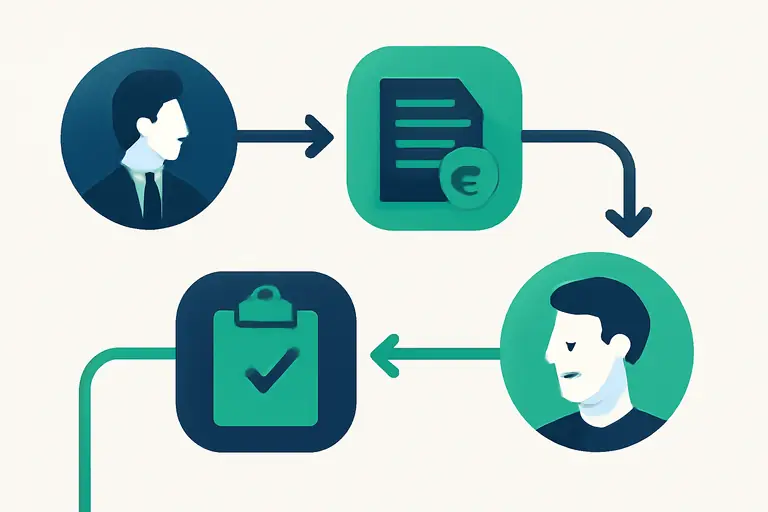
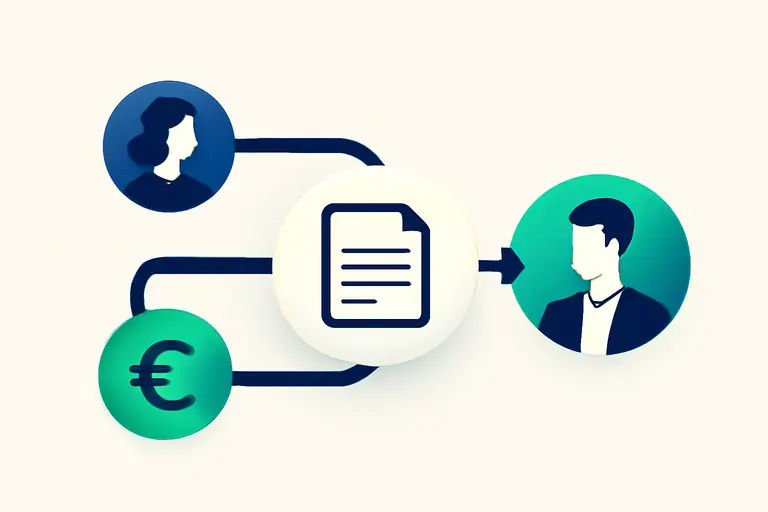
In e-commerce, the order, price, payment method, identity data, shipment, delivery, withdrawal, return, refund and chargeback should form one traceable case chain. A delivery scan does not answer every question; safe-place delivery, loss or identity misuse may require further evidence. Returns and valid withdrawals must be removed or clarified before collection. Payment-provider deadlines may run independently of the civil claim. E-commerce cases therefore need rapid reconciliation across the shop, logistics, payment provider and customer service. For the specific issue “how to manage payment methods, returns and chargebacks”, this requirement should be recorded in the review note with its date and supporting evidence.
For the focus “how to manage payment methods, returns and chargebacks”, a short review note should record the facts, the rule applied and the legal or data date on which the statement is based. The contract, invoice, evidence of performance and communications should be brought together in one case file. In “how to manage payment methods, returns and chargebacks”, this control determines whether the standard workflow applies or an individual review is required.
Lawful basis and data minimisation
Personal data used for debt recovery must be processed for specified and lawful purposes. Depending on the case, relevant bases may include performance of a contract, legitimate interests and the establishment, exercise or defence of legal claims. Only data genuinely needed for identity, the claim, communication, payments and enforcement should be used. Health data and other special categories require a separate legal basis. Access should be role-based, while indiscriminate data collection and unnecessary free-text comments should be avoided. For “how to manage payment methods, returns and chargebacks”, the workflow should continue only after ownership, deadline and the exception route are clearly set in the system.
For recurring cases, use a checklist of mandatory fields and a four-eyes review. A green status should be assigned only when the required evidence is available; otherwise the case should be routed deliberately for clarification. For “how to manage payment methods, returns and chargebacks”, quality control should reconcile the balance and underlying entries once more against the original evidence.
Resolve a disputed claim systematically
If the customer disputes performance, scope, quality or price, another standard reminder will not resolve the issue. The file needs the contract or order, specification, acceptance, delivery evidence, time records, correspondence, variations and a specific response to each objection. Undisputed and disputed amounts should be separated. Debt collection can structure the out-of-court exchange; where a substantial legal or factual dispute remains, the creditor should assess whether an ordinary court action is more suitable than the gerichtliches Mahnverfahren (German court payment-order procedure). In “how to manage payment methods, returns and chargebacks”, this control determines whether the standard workflow applies or an individual review is required.
The workflow should move standard cases quickly while automatically routing disputes, insolvency, data-protection or limitation risks out of the standard path. Human review remains necessary where the data or legal position is not clear. The outcome for “how to manage payment methods, returns and chargebacks” should record the current balance, next date, reason for the decision and responsible person. Receivables management should automate standard cases while deliberately routing exceptions for review.
Which steps can be automated
Due-date monitoring, bank reconciliation, standard reminders, deadlines, status messages and completeness checks are suitable for automation. Disputed claims, consumer hardship, legal assessments, unusual charges and court decisions should not be automated without review. Each rule needs defined inputs, an exception path, an owner and a log. Before deployment, test cases should include payments, credits, partial payments, wrong addresses and objections. Automation should reduce errors, not merely send messages faster. For “how to manage payment methods, returns and chargebacks”, quality control should reconcile the balance and underlying entries once more against the original evidence.
Before escalation, reconcile bank entries, credit notes, returns, partial payments, objections, insolvency signals and limitation dates. An item shown as open in accounting is not automatically due or undisputed; the decision must follow from the complete file. For the specific issue “how to manage payment methods, returns and chargebacks”, this requirement should be recorded in the review note with its date and supporting evidence.
Communicate firmly and customer-focused
Effective payment communication is factual, specific and free from unnecessary pressure. It states the invoice, balance, due date, payment method, contact and clear deadline. It also provides a channel for documented objections and genuine payment difficulties. Courtesy does not mean allowing deadlines to pass without consequence; consistency does not mean threats or public shaming. A uniform tone and a single contact are more likely to preserve the commercial relationship than changing and contradictory messages. The outcome for “how to manage payment methods, returns and chargebacks” should record the current balance, next date, reason for the decision and responsible person.
The process ends with a documented decision stating the current balance, next deadline and responsible person. Fortis Inkasso GmbH & Co. KG can then handle suitable undisputed claims out of court, without implying a guarantee of recovery or legal outcome. For “how to manage payment methods, returns and chargebacks”, the workflow should continue only after ownership, deadline and the exception route are clearly set in the system.
Sources
Primary sources and official information used in this article.